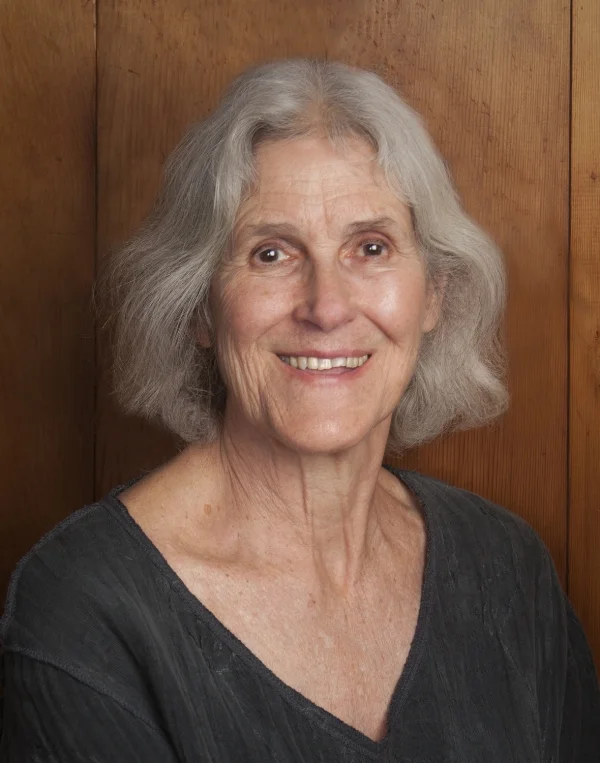
“ It is not easy to analyse your own impulses”
Deborah Jowitt is one of the most accessible dance critics, spending her life capturing the diversity of dance in her reviews, particularly in New York City. Jowitt’s work focuses equally on ballet and modern dance with a love for both styles.
I believe Jowitt’s experience as a dancer and choreographer helps in her translation of what is seen in the theatre to what is seen on the page. Jowitt wrote for the Village Voice between 1967 and 2011, has written for The New York Times, Dance Research Journal, and Ballet Review among others. Her reviews form a powerful set of literature, with a sense of poetry and movement that is captured in her writing. Jowitt continues to review for the pure love and joy of the practice of criticism. Her work can be found here.
Jowitt has written a series of four books, with her latest which focuses on the life and work of Jerome Robbins; Jerome Robbins: His Life, His Theater, His Dance published in August of 2004 by Simon and Schuster. In the interview Jowitt discusses her latest book projects, documenting the life of Martha Graham. She said of her husband: “He is worried I won’t finish the book before I die”.
Jowitt remains one of the most influential voice of dance, with a legacy that will continue for generations to come. Jowitt taught in the Tisch School of the Arts from 1975-2015.
Jowitt was brought over to Australia, by Dancehouse, Melbourne as part of the Keir Choreographic Awards. I took the opportunity to speak to Jowitt in her hotel room, right next to a noisy construction site. Totally in awe of Jowitt and the impact that she has made on dance, I was speechless for most of the interview, but we talked about everything from the importance of criticism, the changes in dance in New York, the impact of the AIDS epidemic on dance, the gentrification of New York, Bangarra Dance Theatre, Pina Bausch’s influence on dance, gender equity and a whole range of other topics.
Discover more about Deborah Jowitt:
Conversation How to write about dance.
The Joyce Theatre – Dance Talks, Jirí Kylián / Last Touch – Deborah Jowitt
Jowitt discussion NDT2- Defining Beauty or Defying it.
In conversation with Deborah Jones
Faculty Performance Workshop at Tisch choreographed by Jowitt
Additional references:
Bangarra Dance Theatre and the anthrax review.
Books by Jowitt, Time and the Dancing Image; Dance Beat: Selected Views and Reviews 1967-1976; Meredith Monk
Next episode will be with Sydney Dance Company, Artistic Director, Rafael Bonachela followed by founder of Chunky Move, Gideon Obarzanek.

‘We value everyone equally, but you know, of course each person has a role to play in the team that's been created, but no one is, you know, less valuable than another.’

‘My daughter Billie, she was in rehearsal today. My son Archie grew up the first two or three years of his life, like, on tour with me when I was with Bangarra Dance Theatre and just being in the artistic environment and being surrounded by people is such a beautiful gift, I think, that I can give to them as well.’
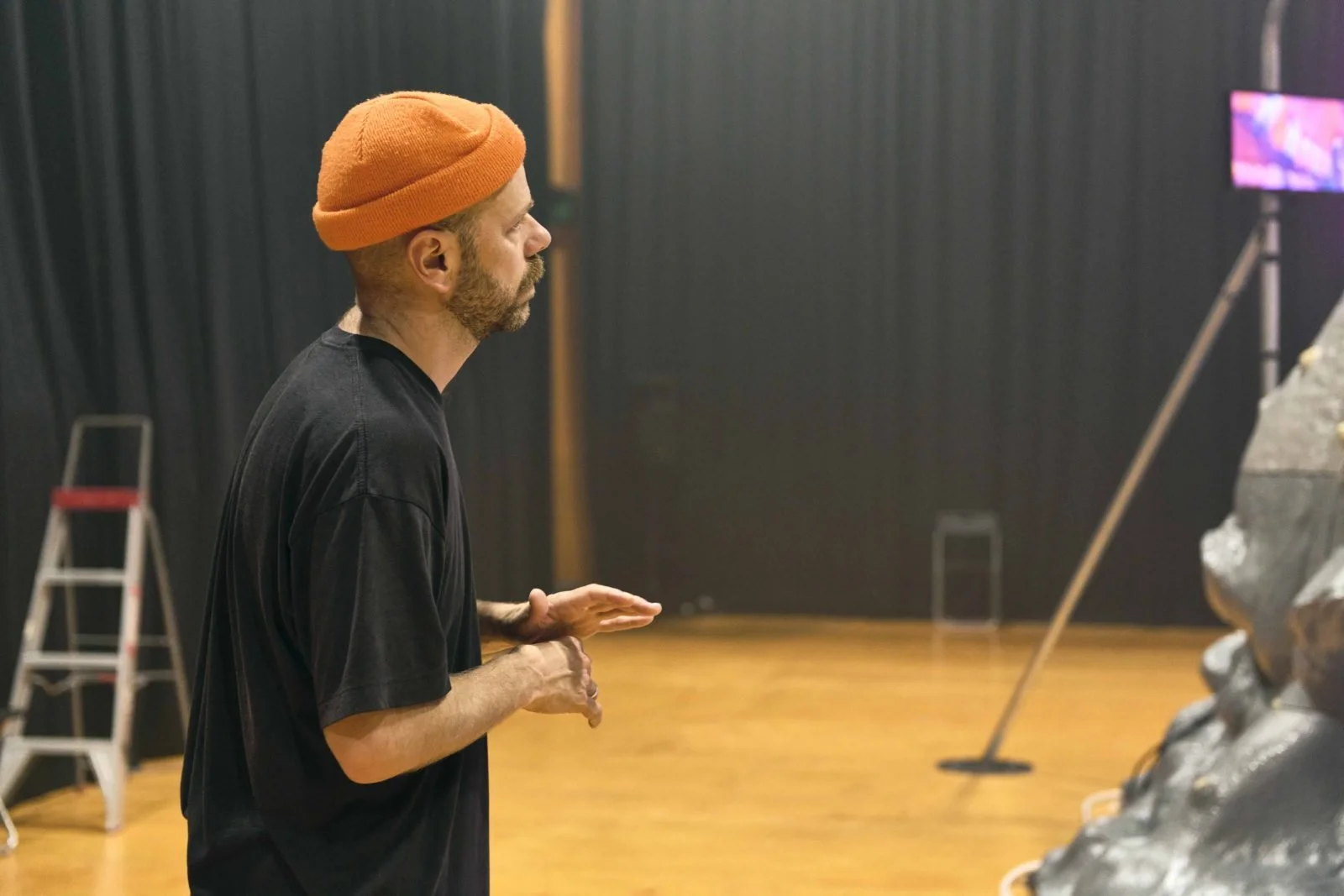
‘When I'm making dance and when I think about choreography or art, I often relate my early childhood experiences to the things that I make now as well.’

‘I guess for a lot of people, ballet is still very much an evolving, developing language. I think people think it was probably stuck in a time and hasn't progressed. But modern ballet is very challenging and arresting and it's finding new ways of working with an old structure.’



‘In my hibernation my creativity turned to writing. I spent hours happily at my computer with my writing, which sometimes feels like choreography. The results of these writing hours are some rough chapters recounting special experiences of my life, and in particular, my life here at Mirramu.’
‘So I've been refusing the temptation to put work on online to put work on platforms where they eliminate that very core function of connecting people’

Edna Reinhardt, a passionate creative dance and yoga educator with decades of experience in the field.
I used to say for a long time that I thought the dance was the Prozac of the art forms. […] there is an aesthetic that dominates our work, often complex or ugly or difficult issues are glossed over because people are pointing their feet and look very lovely.
I'm really looking forward to finding more lightness and more joy and looking forward to exploring some of my ideas.

I think now I am really sort of hungry to do more things that are really outside of my preconceived box of what I can do or what kind of dancer, I identify as or think of myself as.

“What I love about the dance world is that it has the possibility of bringing together so many different cultures, so many different people, beliefs, ways of thinking, ways of being in a space … we always find a common ground and a way to exist and support one another and to create something really beautiful”

"[Dance] It gave me an outlet and a way to express myself, and to be in a space where I could see myself represented."
“Dance, it has a tribal background, everyone does dance, initially, as kids, and we will do it socially. So I think there's a very powerful message there that can be utilised by choreographers when they're creating their works.”


“Dance can provide a space for people to have a kinesthetic response to something and to be given a place to meet their body in watching another body move.”